Hoi An cultural workshops offer a different way to meet central Vietnam: instead of only looking at finished objects or taking photographs, you spend time making, mixing, shaping, folding, or listening. The best workshop is not necessarily the longest or most polished. It is the one that gives you a respectful introduction to a living skill, leaves room for questions, and makes clear how local teachers and communities benefit.
This guide focuses on how to plan a hands-on cultural workshop in Hoi An, what the main formats can teach, and how to participate without turning local traditions into a quick photo opportunity. It is designed for first-time visitors comparing a lantern session, cooking class, pottery experience, or garden-based activity.
What counts as a cultural workshop in Hoi An?
A cultural workshop is more than a demonstration. You should have a meaningful chance to try a process yourself, receive instruction, and understand something about the people and place behind it. In Hoi An, that may mean learning how a craft is made, preparing ingredients connected with local foodways, or hearing why a performance, material, or technique matters.
The official Hoi An heritage centre presents traditional craft villages, traditional arts performances, heritage information, and cultural events as part of the city’s visitor experience. That wider context matters. A workshop is strongest when it connects your activity with a neighbourhood, village, craft tradition, or community rather than presenting culture as a generic souvenir.
For a useful primer on responsible participation, read Choosing a Cultural Workshop That Gives Back. This article takes the next step by helping you match a workshop format to the kind of learning you want.
Choose a workshop by the kind of learning you want
For making something with your hands
Look first at lantern-making, pottery, weaving, or another craft-based session. These workshops suit travellers who want to understand materials, tools, and sequence. Expect some repetition: preparing a surface, shaping a form, attaching pieces, or correcting a small mistake is part of learning. A finished object is a pleasant reminder, but the process is the real content.
Ask whether the teacher explains where the materials come from, how the craft is used locally, and what happens to imperfect work. A thoughtful session will not promise that every beginner produces a flawless souvenir. It will explain the skill honestly and give you enough time to try.
For learning through food
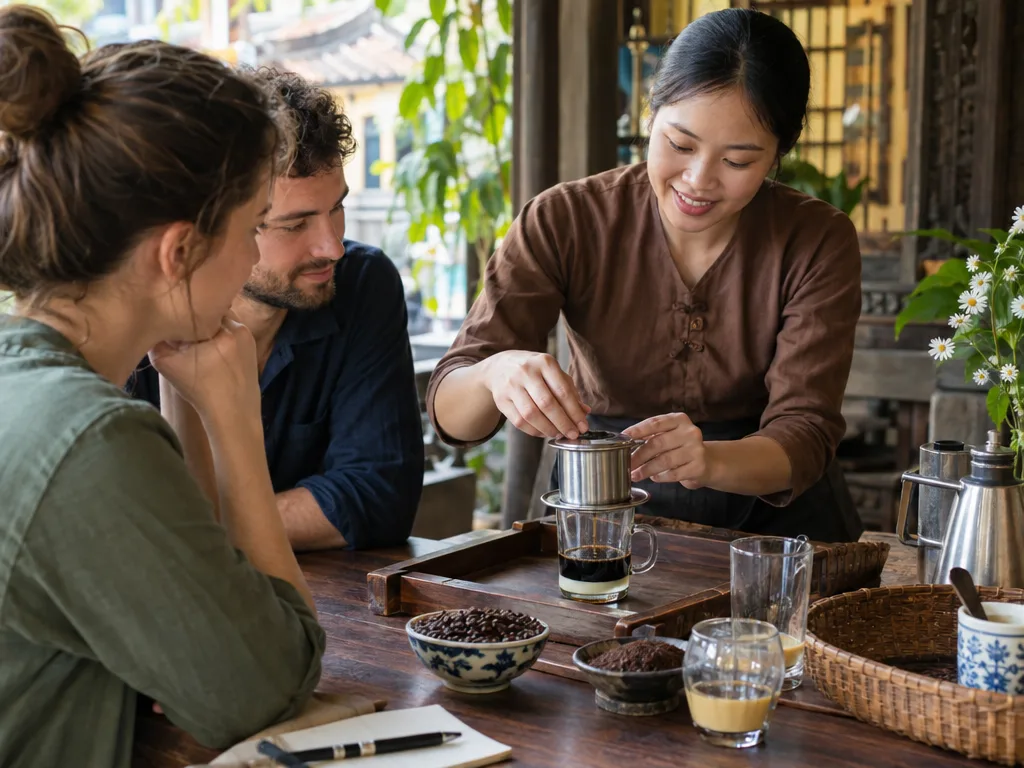
A Vietnamese cooking class can be a practical cultural workshop when it goes beyond a recipe card. Look for time spent identifying ingredients, discussing balance, and observing techniques such as cutting, pounding, wrapping, or seasoning. The most useful classes explain how a dish fits into everyday eating, market culture, family meals, or regional taste.
Before booking, check what “hands-on” means. Some classes demonstrate most steps while guests assemble one final dish. Others involve several stages of preparation. Neither is automatically better, but the description should be clear so your expectations match the experience.
For learning from a landscape
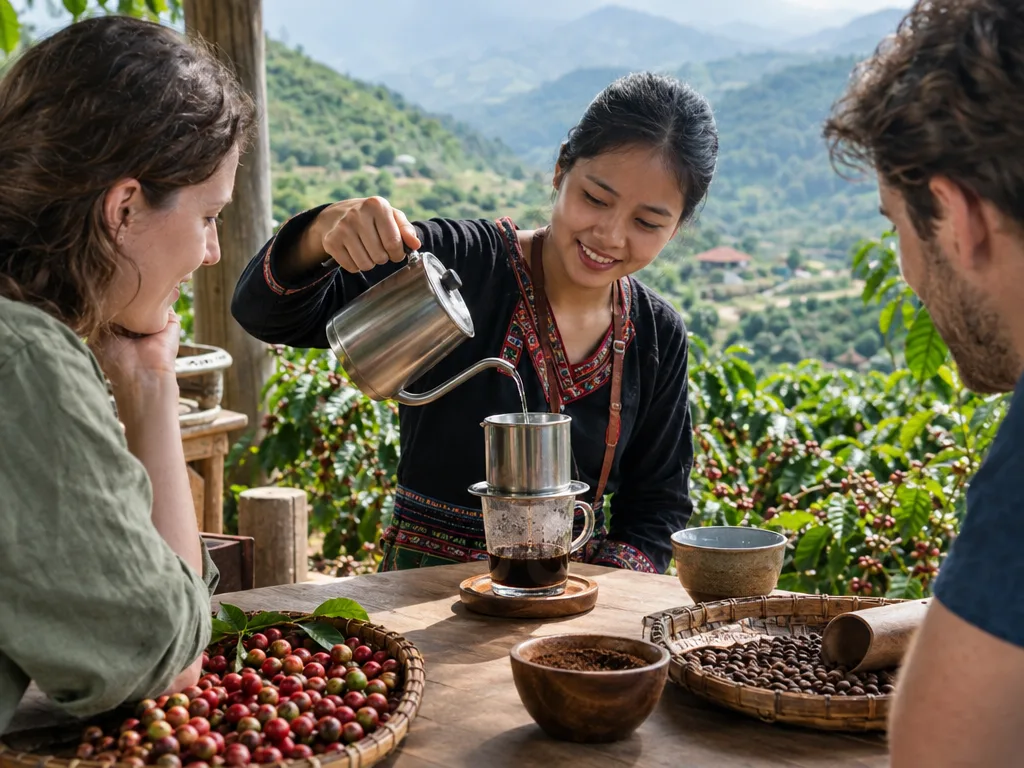
Garden, farming, herb, or village-based activities connect a workshop to the land around Hoi An. They can be especially rewarding for visitors who want to understand food before it reaches a kitchen. Look for a small-group format, a local guide who can name the plants or explain their uses, and a plan that respects working farms rather than treating them as a backdrop.
Weather, seasonal work, and agricultural routines can change what is possible. A responsible operator explains substitutions or adjustments instead of pretending that every visit follows an identical script.
Four workshop formats worth comparing
Lantern-making
Lantern workshops are often associated with Hoi An’s visual identity, but the learning should be more than decorating a ready-made object. Ask whether you will work with the frame, covering, folding, or finishing, and whether the instructor explains how the object is used in the town’s night-time streets and celebrations.
This format is a good choice for families and creative beginners because it offers a visible result within one session. It can also be a good test of teaching quality: clear demonstrations, safe tools, and patient corrections matter more than the number of colours on offer. Avoid assuming that a bright finished lantern tells you everything about the tradition. Use the time to ask what is contemporary, what is inherited, and what has changed for visitors.
Pottery and clay work
Clay workshops reward patience. You may shape a small vessel by hand, work on a wheel, or decorate a prepared form, depending on the studio. The important questions are whether local potters are central to the teaching, whether firing is included or explained, and how your piece will be handled after you leave.
Do not judge the experience only by whether your first shape is symmetrical. Clay teaches through pressure, moisture, and adjustment. A good instructor makes those decisions visible and helps you understand why a form collapses, cracks, or needs support.
Cooking and market-led classes
Cooking workshops can vary from a home-style lesson to a more structured class. If the format includes a market visit, treat it as a chance to learn how ingredients are selected and discussed, not as a performance staged for tourists. Ask who does the buying, whether dietary needs can be accommodated, and which dishes are genuinely suitable for the day’s ingredients.
Pay attention to vocabulary. A teacher who explains the Vietnamese names of ingredients, the role of herbs, and the difference between a household shortcut and a formal technique gives you knowledge you can carry beyond the meal.
Farming, herbs, and village skills
These experiences are often less about taking home an object and more about understanding work that supports daily life. You may learn how a garden is organised, how herbs are used, or how a local activity changes with the season. Wear clothing that can get dusty or damp, follow the guide’s instructions around tools and plants, and ask before touching crops or entering a working area.
How to assess a workshop before booking
Read the description as if you were checking a class syllabus. A strong listing answers basic questions without hiding behind colourful language:
- Who teaches the session, and is the teacher a maker, cook, farmer, artist, or community host?
- How much of the activity will you do yourself?
- What is included, and what is optional?
- Where does the activity take place: a working studio, home, farm, school, or tourist venue?
- How large is the group, and what happens if weather or seasonal conditions change?
- Can the organiser explain how income reaches local teachers or producers?
Look for recent, specific information, but do not treat a high review score as proof of cultural depth. Reviews often reward friendliness, convenience, and a good photograph. Those are useful signals, not a substitute for asking what you will learn.
It also helps to compare the workshop with the broader Cultural Workshops section and with Traditional Craft Villages. The relationship between a class and its setting can tell you whether the experience is connected to a living place or simply borrowing a theme.
How to participate respectfully
Arrive ready to listen
Introduce yourself, learn the teacher’s name, and let the demonstration finish before reaching for tools. If an explanation is translated, give the interpreter or guide time to complete it. Questions are welcome when they show curiosity about the practice rather than a demand for a more dramatic story.
Ask before photographing
Request permission before photographing people, private homes, workspaces, children, or unfinished work. A workshop may take place in a family setting or active business. The fact that you paid for a class does not automatically give you permission to publish images of everyone present.
Accept a beginner’s result
Your object may be uneven, your herbs may be misidentified on the first attempt, or your dish may taste different from the teacher’s. That is not failure. A workshop is an introduction, not a claim of mastery. Resist asking the teacher to repair every trace of your learning before you leave.
Think about what you buy
If the workshop ends with a shop, ask which goods were made locally and whether the maker is credited. Buying directly can be meaningful when the seller is transparent about production. You do not need to buy something to prove that you valued the lesson.
Build a workshop into a wider cultural day
A workshop becomes more meaningful when you leave time to notice its setting. After a craft session, you might visit a village or studio at a slower pace rather than rushing to the next attraction. The guide A Thoughtful Visit to a Vietnamese Craft Village offers a useful way to think about makers, working landscapes, and visitor behaviour.
You can also pair hands-on learning with a performance or a heritage visit, but keep the day spacious. Listening for the Story in Vietnamese Traditional Arts is a helpful companion if you want to approach performance as knowledge rather than a show to consume. For a broader planning perspective, Planning a Cultural Trip That Leaves Room to Listen explains why fewer activities can sometimes create better conversations.
When planning, confirm the meeting point, transport needs, clothing, accessibility, language support, cancellation terms, and whether your finished work can be collected or shipped. Do not assume that an activity listed online has the same schedule or conditions throughout the year. Reconfirm practical details directly with the organiser before travelling.
Questions to ask on the day
Good questions open a door without putting the teacher on display. Try asking:
- How did you learn this skill?
- Is this technique used in everyday life, ceremonial life, or both?
- Which part takes the longest to master?
- What has changed because visitors want to learn it?
- What should a beginner avoid doing?
- Where can I see or buy work made by local practitioners?
Notice whether the answer is personal, practical, historical, or seasonal. There is no need to force every workshop into a single definition of “authentic.” Traditions change, and a teacher may be adapting a skill for a new audience while still practising it seriously.
Final checklist for choosing well
Before you commit, make sure the workshop offers a real activity rather than only a demonstration; names the local teacher or host; explains group size and what is included; gives realistic information about weather, materials, and finished work; welcomes questions; and treats the surrounding community as more than scenery.
Most importantly, choose a session that matches your curiosity. Lantern-making is not a better introduction than pottery, and a cooking class is not automatically more “local” than a farm visit. The strongest Hoi An cultural workshops give you enough context to understand what your hands are doing, enough time to learn from mistakes, and enough respect for the people whose knowledge makes the experience possible.
JOIN THE CONVERSATION
Comments (0)
No comments yet. Be the first to share a thought.