Visiting Vietnam’s ethnic minority villages can be one of the most memorable parts of a journey through the country’s northern mountains and highlands. The experience is not a performance arranged for outsiders: it is a chance to enter places where families farm, cook, worship, work, raise children, and maintain living traditions. The best visits therefore begin with a change in attitude. You are not collecting costumes, photographs, or “authentic” moments. You are meeting people on their own ground.
Vietnam’s official tourism authority notes that most of the country’s 54 ethnic minority groups live in the north, across mountain landscapes shaped by forests, limestone, rivers, and rice terraces. That breadth matters. A Thai village in Mai Chau, a Hmong community in the northern mountains, and a highland village in the Central Highlands should not be treated as interchangeable versions of one culture. Use this guide to plan a more respectful visit, understand what you are seeing, and make your spending useful without turning local life into a backdrop.
Start with the right idea of ethnic minority culture
The phrase “ethnic minority cultures” describes many different peoples, languages, histories, belief systems, houses, textiles, foods, and relationships with land. It does not name a single travel product. Before you choose a destination, read beyond a photo gallery and learn which community lives there, what kind of visit is welcomed, and whether the experience is organised by residents or simply marketed to visitors.
For a helpful foundation, begin with Learning About Ethnic Diversity in Northern Vietnam. It can help you replace a broad “hill tribe” label with more careful questions about identity and place. The official tourism guide to northern Vietnam also explains that Mai Chau is home to seven ethnic minority groups, with White and Black Thai communities forming the largest share of its indigenous population. That is a useful reminder that even a familiar destination contains internal variety.
Look for language that gives people agency. “Community-run homestay,” “local guide,” “family meal,” and “village craft cooperative” tell you more than a promise of an untouched or primitive culture. Avoid descriptions that present residents as timeless attractions or suggest that visitors are entitled to access every home, ritual, or private space.
Choose a destination where daily life remains visible
Search intent around Vietnam ethnic minority villages often begins with a destination name: Mai Chau, Moc Chau, Ha Giang, Sapa, Bac Ha, or the Central Highlands. Names are useful starting points, but the meaningful choice is usually the type of encounter you want. Do you want to stay with a family, walk with a resident guide, learn a craft, eat a home-cooked meal, or simply observe a rural landscape without entering private life?
Mai Chau is frequently chosen because it offers a relatively accessible introduction to rural northern Vietnam. The official tourism authority describes its stilt houses, rice paddies, farmers’ paths, village homestays, cycling, and walking routes, while also presenting nearby nature experiences. Treat that accessibility as a reason to plan carefully, not as permission to behave casually. A short drive from Hanoi does not make a village less personal.
Moc Chau offers another useful case. Vietnam Tourism describes the area as home to 12 indigenous ethnic groups and points to community-based green attractions such as Ang, Doi, and Vat villages. The same guide connects local life with tea cultivation, farming, stilt houses, food, music, dance, and festivals. Use such information to build a focused visit: one village walk, one local meal, and one conversation with a guide can be more meaningful than racing through several “ethnic zones.”
For broader planning, the site’s Cultural Travel Experiences category is a useful place to compare slower, more reflective ways of travelling. You can also read Planning a Cultural Trip That Leaves Room to Listen before fixing a crowded schedule.
Book homestays and guides with community benefit in mind
Ask who receives the money
Community-based tourism Vietnam searches often focus on whether a stay is “authentic.” A better question is whether local people have meaningful control and receive a fair share of the income. When comparing a homestay, guide, or village activity, ask who owns the business, who leads the experience, whether meals and accommodation are provided by local families, and how bookings are handled.
Prefer small, specific experiences
Choose a guide who can explain what visitors may and may not do. A small group makes it easier to hear answers, avoid blocking paths, and change plans when a family is busy. It also gives you time to notice details beyond the staged highlight: the design of a stilt house, the work involved in preparing a meal, or the way fields and footpaths connect homes.
Do not confuse “local” with “available on demand.” Hosts have work, religious commitments, school schedules, and private days. Confirm the meeting time, arrive when agreed, and accept a polite no without pressing for another option.
Learn the etiquette before you arrive
Respectful travel is easier when you turn uncertainty into a question. Your guide or host can explain local expectations, but you should still arrive prepared to listen. Dress neatly and practically for walking, keep your voice measured around homes and places of worship, and avoid treating ordinary household objects as props.
- Ask before entering a home, crossing a yard, touching textiles, or joining an activity.
- Ask before photographing people, children, animals, meals, religious objects, or private interiors.
- Use the name of the community or people when you know it, rather than relying on a vague label.
- Follow your host’s lead about footwear, seating, meals, alcohol, and conversation.
- Keep group sizes and noise under control, especially near homes, schools, and ceremonies.
- Do not promise gifts, money, or online exposure in exchange for a photograph or interview.
Consent is not a one-time formality. Someone may agree to a landscape photograph but not a close portrait, or welcome a conversation but not a video. A person who smiles is not automatically giving permission. If communication is difficult, let your guide interpret the question and accept the answer you receive.
For wider etiquette ideas, the site’s Vietnamese Traditions & Customs category offers useful context for approaching everyday cultural differences without assuming that one rule applies everywhere.
Photograph people as people, not as proof of a trip
Photography is often where a thoughtful visit becomes intrusive. Bright clothing, woven textiles, market scenes, and children at play may catch your eye, but visual interest does not create a right to take a picture. Ask clearly, wait for an answer, and make it easy to decline. If you do not share a language, use a simple gesture, show the camera, and ask your guide to help.
Do not follow someone through a market because they look “traditional,” photograph a private ritual from a distance, or ask a person to repeat a task for your image. Avoid directing strangers to pose, placing your hands on clothing, or offering a small payment without first understanding local expectations. If someone agrees, show the image when appropriate and ask whether they would like a copy or your contact details.
Eat, shop, and learn without turning culture into a bargain
Food and craft are often the most generous ways for visitors to participate. A shared meal can support a household and create space for conversation. Ask what a dish is, how it is prepared, and whether there are ingredients you should avoid. Be appreciative without demanding that a host serve an item simply because you read about it online.
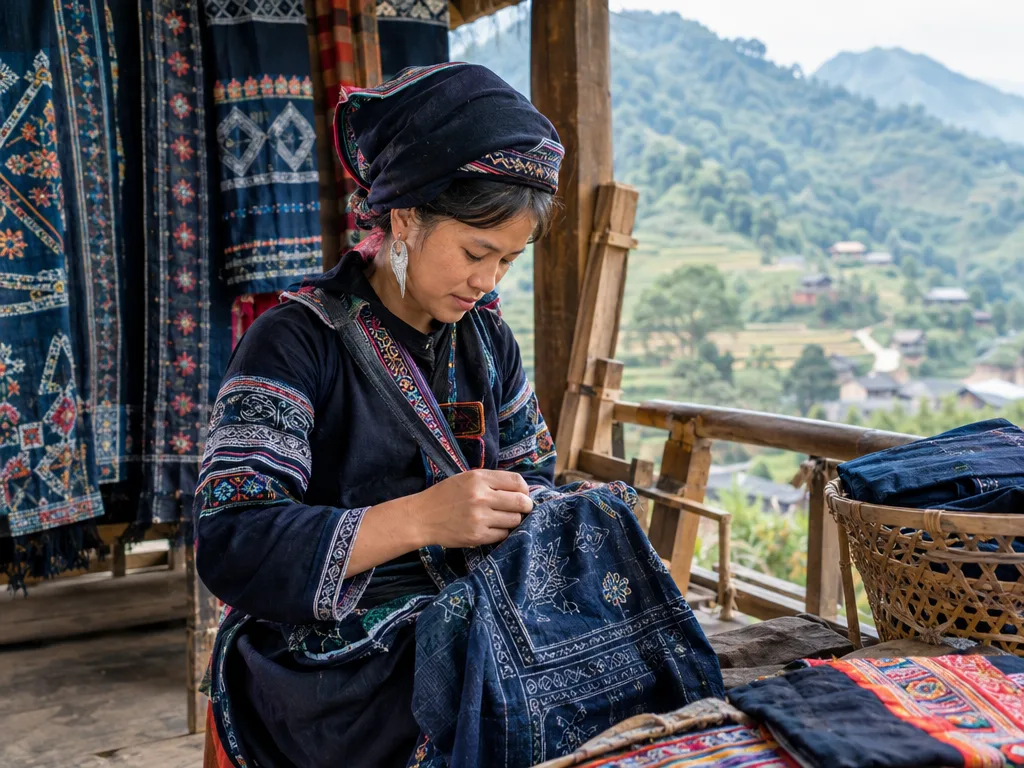
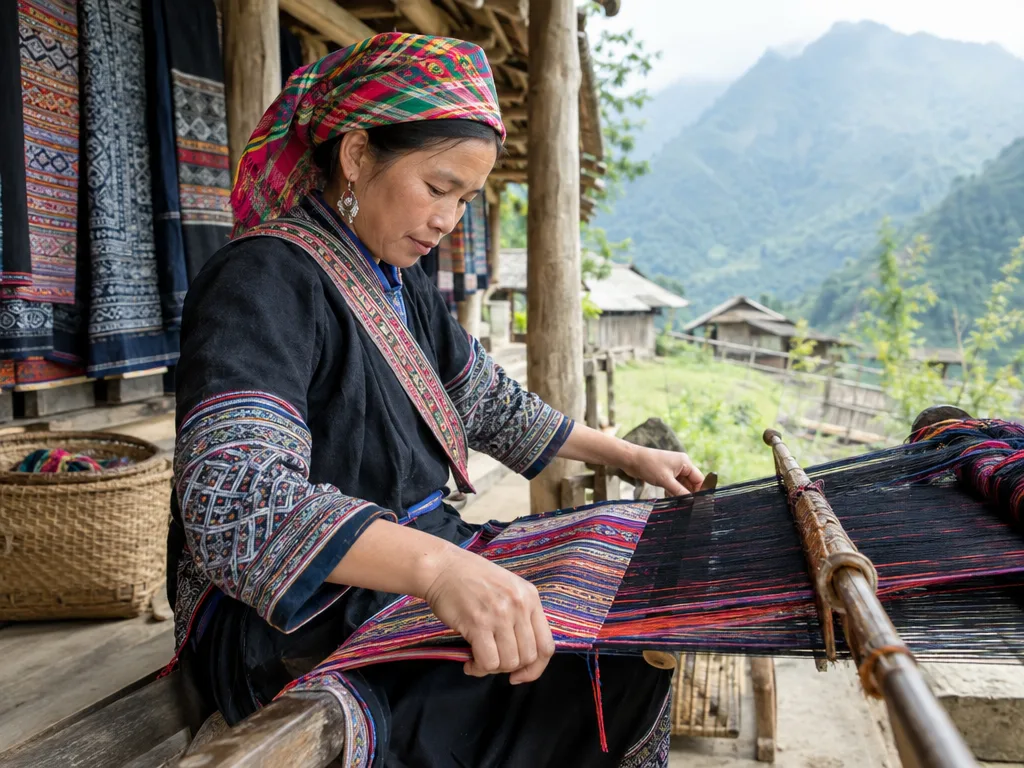
When buying textiles, baskets, embroidery, tea, or other crafts, ask who made the item and whether the maker is paid directly or through a cooperative. Do not assume that the lowest price is the most respectful outcome. Bargaining may be normal in some settings, but pushing a price below the value of hours of skilled work can turn cultural appreciation into extraction. If you cannot afford a piece, decline warmly rather than criticising the price.
Learn the story of an object without asking a maker to perform a complete cultural explanation for every purchase. Some patterns, garments, colours, or ritual items may carry meanings that are not intended for commercial imitation. Buy what is offered for sale, not objects that appear private, ceremonial, or antique. The site’s Traditional Craft Villages category can help you think about craft as labour, knowledge, and livelihood rather than decoration alone.
If you join a workshop, read Choosing a Cultural Workshop That Gives Back for questions about teaching, payment, materials, and local ownership. A good workshop lets you learn without pretending that a short activity makes you a craftsperson.
Keep your footprint small in villages and mountain landscapes
Rural cultural travel also has an environmental side. Carry reusable essentials where practical, keep rubbish with you until you find a suitable disposal point, and avoid single-use packaging when a host offers a reasonable alternative. Stay on paths when walking through fields and follow local instructions near streams, forests, terraces, and livestock.
Water and energy may be more limited in a village than in a city hotel. Take the guidance of your host about bathing, laundry, electricity, and waste. Do not assume that a picturesque stream is a place for swimming or washing. Ask before collecting plants, picking fruit, feeding animals, or entering agricultural land. A landscape that looks open to a visitor may be someone’s workplace or sacred place.
Timing matters too. A festival, market, or harvest can be a valuable opportunity to learn, but it is not a free stage. Stand where you are directed, avoid blocking processions, and do not interrupt ceremonies for a better view. The site’s Vietnamese Festivals category is a useful companion when planning around public celebrations and the responsibilities that come with attending them.
Ask better questions and leave room for complexity
Good questions are open, specific, and easy for the other person to refuse. Ask what work is important in the season you are visiting, how a textile is made, what a building is used for, or what visitors commonly misunderstand. Avoid questions that demand a stereotype: “Are you still living traditionally?” or “Is everyone here poor?”
Listen for differences within a community. Younger residents may balance village life with education, factory work, or social media. Families may welcome tourism while also worrying about privacy, waste, land pressure, or changing expectations. A responsible visitor does not need to solve those tensions during one trip, but should avoid pretending they do not exist.
When you return home, describe the people and places accurately. Name the community when you know it, credit a guide or maker if they have asked for that, and do not share private details or locations that could create unwanted attention. The most respectful souvenir may be a more precise understanding of how diverse Vietnam is.
A simple checklist for a respectful visit
- Research the specific community, not only the province or destination brand.
- Choose a locally connected host, guide, or activity and ask how income is shared.
- Learn a few relevant words and let your host explain local etiquette.
- Ask before photographs, recordings, entry, touch, gifts, and participation.
- Buy directly when possible and pay a fair price for skilled work.
- Protect privacy, avoid sacred or private spaces, and follow local instructions.
- Leave homes, paths, fields, and waterways as you found them.
- Write about the encounter with specificity rather than exotic labels.
Conclusion: let respect shape the itinerary
The strongest visits to Vietnam’s ethnic minority villages are not built around how much access a traveller can obtain. They are built around trust, time, and a willingness to be corrected. Choose a community-connected experience, ask before you act, spend with care, and leave space for ordinary life to continue around you. In return, you may gain more than a photograph: a clearer sense of the people, work, landscapes, and living cultures that make Vietnam’s mountain regions so distinctive.
JOIN THE CONVERSATION
Comments (0)
No comments yet. Be the first to share a thought.