Visiting Vietnam’s ethnic minority villages can be one of the most memorable parts of a journey through the country’s northern mountains and highlands. The experience is not a performance arranged for outsiders; it is a chance to enter living communities where language, work, food, faith, family life, and landscape are closely connected. The best visits are therefore slower and more attentive than a quick photo stop. They leave room to ask before acting, listen before interpreting, and spend in ways that recognize local effort.
This guide explains how to plan a respectful village visit, what to expect from a homestay or community-based experience, how to handle photography and invitations, and how to avoid turning cultural difference into a sightseeing prop. For wider context, begin with our introduction to ethnic diversity in Northern Vietnam, then use the practical steps below to shape your own trip.
Understand what an ethnic minority village visit really is
Vietnam is home to many ethnic communities, each with its own histories, languages, clothing traditions, foodways, houses, social customs, and relationships with the land. A village is not a museum representing one fixed idea of culture. It is a contemporary place where people work, study, run businesses, care for relatives, and make decisions about how visitors may be welcomed.
That distinction matters because travelers often arrive with a romantic picture of “traditional life.” Some houses may be old, while others are modern. Some residents may wear distinctive clothing for ceremonies or daily work, while others dress much like people elsewhere. A community may welcome tourism but still have private spaces, restricted rituals, and moments that are not intended for visitors.
Use the official Ethnic Minority Cultures category to keep learning beyond a single destination. You can also read our guide to planning a cultural trip that leaves room to listen before deciding how much activity to fit into your itinerary.
Choose curiosity over a checklist
A respectful visit is not measured by how many villages, costumes, or souvenirs you collect. It is measured by the quality of the encounter. Leave with a more accurate understanding of what you saw, not just a gallery of images. Notice who is speaking, who is working, and who benefits from the visit. If an experience gives you no opportunity to meet people as people, it may be scenic, but it is not necessarily cultural travel.
Choose a community-based experience carefully
Search intent around Vietnam ethnic minority villages often leads travelers toward trekking routes, homestays, craft demonstrations, and market visits. These can be meaningful, but the label “community-based” alone does not guarantee that a visit is locally grounded. Before booking, look for clear information about who hosts the experience, who guides it, what activities are included, and how payment reaches the community.
A responsible operator should be able to explain whether the host family is directly involved, whether local guides lead walks, and how cultural activities are arranged. Be cautious of descriptions that promise an “untouched tribe,” guaranteed encounters, or staged access to private life. Such language reduces living communities to a product and can encourage intrusive behavior.
Questions to ask before booking
- Is the guide from the destination or meaningfully connected to the community?
- Does the host family choose what guests may see and do?
- Are meals, transport, guiding, and activities priced transparently?
- Can the experience accommodate dietary, mobility, or communication needs without pressuring residents?
- What should visitors bring, wear, or avoid?
There is no single correct model. A small family homestay, a cooperative craft visit, and a guided village walk may all work well when local people set the boundaries. Compare options by transparency and consent rather than by the number of activities promised.
Prepare for a homestay with humility
An ethnic minority homestay is not simply a low-cost hotel in a scenic location. It is a stay in or beside a family home, often with shared meals and a more visible connection to household routines. Sleeping arrangements, bathrooms, heating, noise, pets, and privacy may differ from what you are used to. Ask practical questions before arrival so that differences do not become unfair judgments after you check in.
Bring a flexible attitude and pack lightly. A headlamp, modest sleepwear, comfortable walking shoes, a reusable water bottle, and any personal medication can make a rural stay easier. Avoid assuming that the host family can provide specialized toiletries or solve every accessibility issue. If you have a serious need, communicate it through the booking contact well in advance.
Be a considerate house guest
- Wait to be shown where to leave shoes, bags, or outdoor clothing.
- Ask before entering a bedroom, altar area, kitchen work zone, or other private space.
- Follow the household’s lead on seating, serving food, and drinking customs.
- Keep noise low, especially around sleeping areas and early morning work.
- Use water and electricity thoughtfully where infrastructure is limited.
- Thank the family directly, even when a guide is translating.
Do not treat hospitality as an obligation to entertain you. A host may be busy with farming, cooking, childcare, or another job. Shared conversation is welcome when invited, but silence is also a valid part of a stay.
Learn the basics of village etiquette
There is no universal rulebook for every ethnic community in Vietnam. Customs vary by place, household, season, and ceremony. The safest approach is to ask your local guide or host what is appropriate, then observe carefully. Advice that is correct in one village may be wrong in another.
Dress for movement and respect rather than for a costume. Clothing that covers shoulders and thighs is a reliable starting point, particularly when visiting homes, religious spaces, or ceremonies. Do not imitate ceremonial dress for photographs unless the community has explicitly designed and consented to that activity. Wearing a community’s clothing as a novelty can flatten its meaning.
Food is often an important part of welcome. Try what you can, explain allergies clearly, and do not make jokes about unfamiliar ingredients. If you do not drink alcohol, a simple, friendly explanation is enough. If a toast or ritual has cultural significance, let your host or guide explain it instead of guessing.
Ask before you touch
Household objects, woven textiles, agricultural tools, musical instruments, religious items, and ceremonial decorations may look like interesting props, but they can carry personal or spiritual meaning. Ask before handling anything. The same applies to animals, children, crops, and unfinished craftwork. Curiosity is positive when it includes consent.
Photograph people as participants, not scenery
Photography is one of the most common sources of discomfort in village tourism. A person standing outside a house is not automatically available for a portrait, and a child is not automatically available because an adult is nearby. Make eye contact, gesture toward the camera, and wait for a clear yes before taking a close photograph. When language is limited, use your guide to confirm consent.
Consent should be specific and ongoing. Someone may agree to one photograph but not to a video, a posed portrait, or publication online. Do not assume that a smile means permission. If a person turns away, covers their face, or continues working without engaging, lower the camera.
Ask before photographing ceremonies, funerals, prayer spaces, private homes, or people at work. In some contexts, photography can interrupt concentration or violate expectations about sacred activity. When in doubt, watch first and record later, or keep the memory unshared.
Share responsibly
Captions matter. Avoid labels such as “primitive,” “untouched,” or “lost in time,” which describe a stereotype rather than a community. Name the place accurately when it is safe and appropriate, credit a guide or host if they wish, and do not geotag a private home without permission. Never publish a vulnerable person’s story merely because it makes a stronger travel post.
Spend money in ways that strengthen local livelihoods
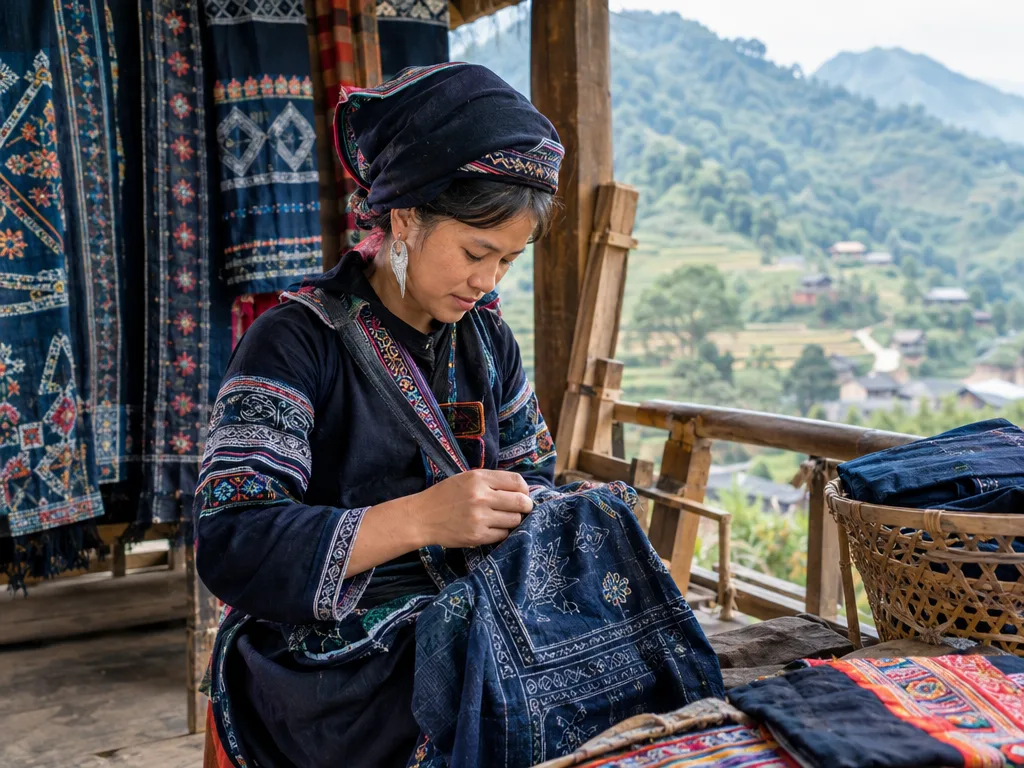
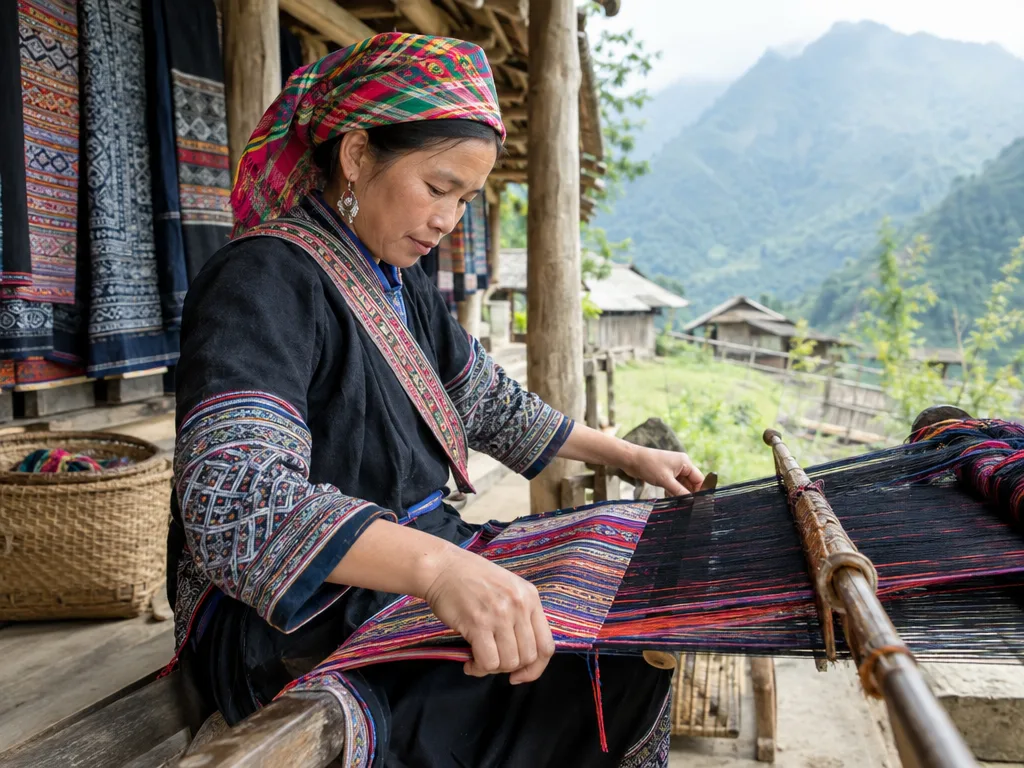
Responsible travel is not only about polite behavior; it is also about where your money goes. Buy directly from makers when possible, pay agreed prices, and recognize the labor behind weaving, embroidery, carving, farming, guiding, cooking, and maintaining a homestay. Bargaining may be normal in some markets, but pushing a small producer to accept an unfair price is not a cultural achievement.
Ask whether a textile or craft is locally made, who made it, and how to care for it. Some products sold in tourist areas may be factory-produced or sourced from elsewhere. A transparent seller should not be offended by a respectful question. If you are not sure you want an item, admire it without handling delicate work repeatedly or making a promise to buy.
Food and accommodation choices can also spread benefits. Choose locally led walks, eat meals prepared by the host where practical, and use local transport or guides when the service is safe and suitable. You can explore more ideas through the site’s Cultural Travel Experiences category and our advice on choosing a cultural workshop that gives back.
Plan the journey without overpromising access
Mountain travel can take longer than a map suggests. Roads, weather, construction, and local conditions affect timing, so avoid building an itinerary that requires a village visit to run perfectly to schedule. Allow enough time for walking and conversation. Arriving late, rushing through a meal, or leaving before a host has finished explaining arrangements can turn a welcoming experience into a transaction.
Use official destination information for broad regional planning, then confirm local transport and conditions through your accommodation, guide, or tourism office before setting out. The official Vietnam tourism website presents the northern midlands and mountains as a distinct travel region and places culture among its main travel interests, which is a useful starting framework rather than a substitute for local advice.
A simple respectful day plan
- Meet a local guide and agree on photography, walking routes, and any restricted areas.
- Walk at the community’s pace, stopping where residents invite conversation.
- Visit one home, workshop, or farm activity rather than trying to see everything.
- Eat or share tea without turning the meal into a photo session.
- Buy directly from makers only when you genuinely value the work.
- Leave time to thank hosts and check that you have not left litter or taken anything unintentionally.
Know what respectful travel cannot solve
A village visit does not make a traveler an expert on an ethnic group. One household cannot represent an entire community, and a short stay cannot reveal every local history or current challenge. Avoid generalizing from one conversation. If a guide offers an interpretation, treat it as valuable context while remembering that communities contain different opinions and experiences.
Tourism can create income and pride, but it can also bring pressure around land, privacy, cultural display, waste, and unequal bargaining power. Your role is not to “save” a community or demand access in the name of authenticity. Support local choices, accept boundaries, and be willing to skip an activity if consent is unclear.
For related ways to approach living culture, browse the site’s Traditional Craft Villages category and Vietnamese Traditions & Customs category. They can help you see how craft, ritual, family life, and travel overlap without treating any of them as frozen displays.
Conclusion: let the visit be reciprocal
The most rewarding Vietnam ethnic minority village visits are reciprocal. You bring time, attention, and fair payment; hosts decide what they want to share and how. Ask before photographing, learn before judging, spend with care, and accept that the most meaningful moments may be ordinary: a meal prepared together, a walk explained by someone who knows the path, or a conversation that changes your first impression.
Travel well by remembering that cultural discovery is not access without limits. It is the practice of meeting people with enough humility to let them remain fully themselves.
JOIN THE CONVERSATION
Comments (0)
No comments yet. Be the first to share a thought.